
Moringa for Livestock
Moringa is an excellent potential inexpensive protein source for livestock.
The best animal fodders:
- Are palatable and easily digestible
- Are quick growing and early maturing
- Give a high yield
- Are nutritious
- Need little tillage and care
- Are able to be preserved as hay or silage
Moringa fulfills all of these requirements and provides an outstanding source of livestock nutrition. Due to some of the Moringa tree’s many unique characteristics, it can be grown much more efficiently than common livestock feeds.(Sanchez et el 2005)
Moringa forage can provide an important role in ruminant nutrition in terms of providing energy, protein and minerals. Moringa has higher percentages of protein, calcium, phosphorus, dry matter digestibility and fat than Lucerne. (Lanyon & Griffith, 1988, Katic et el, 2005)Moringa also has high nutritive value compared to maize, which is considered an ideal forage crop because it grows quickly, has high yield and palatability.
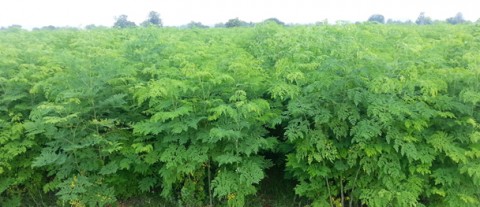
The fact that Moringa is a perennial plant that can be harvested many times a year contributes to its potential to reduce feed costs. Moringa can be easily established in the field and has excellent coppicing ability.
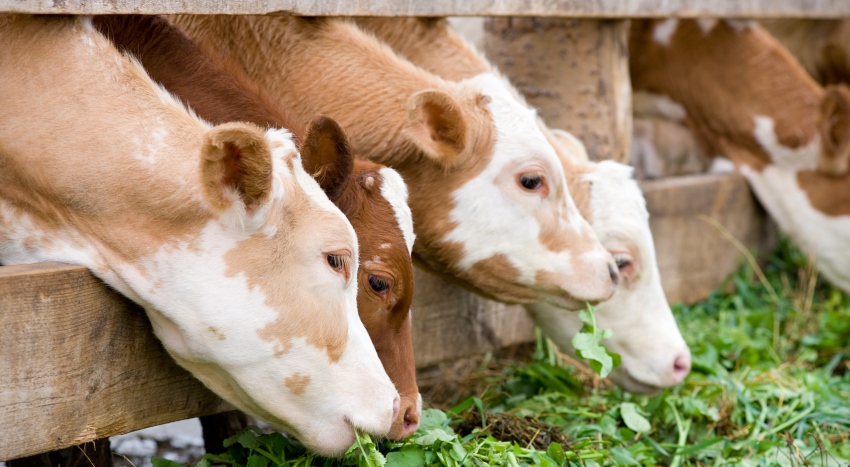
Foidl et el (2001) have been able to harvest up 9 times per year on irrigated fertilised land producing 650-700 metric tonnes of green matter per hectare.
• 650 to 700 metric tons of green mass
• Equivalent to 100 to 110 metric tons of dry mass
• 17.5 metric tons of pure protein
• 7000 kg of lipids, with 65% being omega-3 fatty acids
• 10 metric tons of fermentable sugars
• Approximately 8 metric tons of starch
• Approximately 45 metric tons of hemicellulose and cellulose
Regular provision of adequate and nutritious fodder is essential for the development of healthy herds. Fodder crops are among the cheapest sources of feed for livestock yet shortage of affordable livestock feed remains a major limiting factor for livestock production in Australia due to our poor soils and irregular or inadequate rainfall.
Globally each year we are seeing around 2% reduction in fodder production area each decade while the numbers of livestock are increasing to meet the demand created by the increasing world population. The introduction of Moringa into farming operations is a positive step towards meeting the growth in animal production that will be needed to supply future markets.
Moringa can contribute to a significant increase productivity. The development of an integrated Pongamia/Moringa plantation system can further enhance this return to productivity.
Read more about the benefits of Pongamia/Moringa Agroforestry here
Moringa can improve the availability of feed resources to provide an adequate strategic feed supplement to animals during critical periods.
Boosts Milk Yield of Dairy Cattle
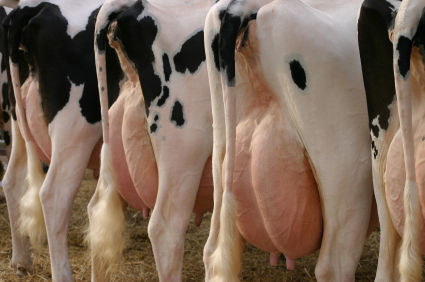
“M. oleifera fed at 2 kg or 3 kg DM day can significantly improve dry matter intake, nutrient digestibility and milk yields of dairy cattle fed a basal diet of B. brizantha hay in the dry tropics without affecting milk composition (fat, crude protein and total solids) or organoleptic characteristics of milk (smell, taste and colour), and has thus a great potential to contribute protein rich forage, particularly in dual purpose production systems during the dry season.” In studies with cross-bred dairy cows (Sarwatt et el 2007), Moringa improved the milk yield, due to a positive effect on the rumen environment. Moringa was again shown to positively affected milk yield in dual purpose cows in further studies(Reyes-Sanchez et el 2006)
Boosts weight gain in Beef Cattle:
In one test by Foidl cattle were fed 15-17 kg of Moringa leaves daily mixed with their regular feed. The results were: 43% increase in milk yields, 32% increase in daily weight gains for cattle, 3-5kg increase in birth weight for dairy cows. These were jersey cows with an average normal birth weight around 22kgs (Martin 2007)