
Moringa oleifera is known as “The Tree of Life” and “The Miracle Tree”.
Is Moringa the Miracle your farm has been waiting for?
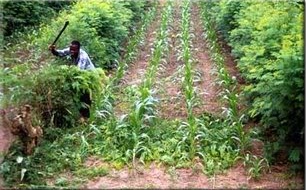
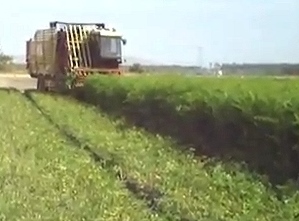
Unlike many trees, Moringa is able to thrive even when planted very closely together as a field crop.Growing Moringa in this manner produces an abundant amount of green matter, can be harvested frequently, and requires little irrigation and fertilizer.
The Moringa tree’s potential benefits for farming include:
- Increased weight gain in beef cattle
- Increased milk production in dairy cows
- Increases in some crop yields when used as a foliar spray
- Abundant source of green manure.
- Erosion control
- Living fences
Moringa leaf production can be a viable economic venture in order to meet the growing demand for Moringa leaf products. Cultivation systems are varied, from intensive monocropping to intercropping, from direct seeding to cuttings. Talk to us about the most appropriate choice for your needs.
Consider Moringa for your farm:
Moringa is well tolerated as a forage by most animals, including horses, pigs, goats as well as cattle. Pigs do exceptionally well on a diet that includes good amounts of Moringa, growing a leaner pig- sought-after in today’s consumer marketplace.
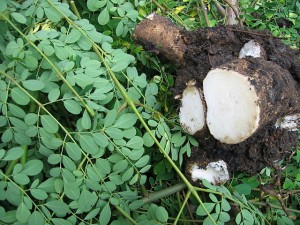
Moringa is a hardy tree which survives drought and poor soil conditions. It develops a long tap root to 15 metres which allows it to source its own water-and many important micro and macro nutrients important for the health of plants, animals and people.
Moringa can produce up to 650tons of green matter per hectare per year under rain fed conditions. Through employing permaculture (PERManent agriCULTURE) rainwater harvesting techniques, Moringa can be highly productive in regions that receive little, or only seasonal rains.
Moringa is rapidly gaining its deserved reputation as a Green Super food for a myriad of reasons.
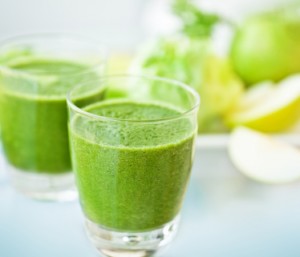
Research suggests that Moringa provides a wealth of nutritional value. When compared gram for gram Moringa leaves contain
- 7 times the amount of vitamin C in oranges,
- 4 times the amount of calcium in milk, 2 times the amount of protein in milk,
- 4 times the amount of vitamin A in carrots,
- and 3 times the amount of Potassium in bananas.
- all the essential amino acids . Amino acids are the building blocks of proteins which goes on to ensure that our cells, organs, muscles, connective tissue, and even our bones stay together, grow, and become stronger.
Moringa acts as an “adaptogen” meaning its actions tonify, nurture and support every system of the body.Moringa is the most nutritionally dense of all adaptogenic plants. These are some of the primary benefits of regularly consuming Moringa:
- significantly boosts energy levels
- encourages weight loss
- fights inflammation
- improves sleep
- aids the body in gaining lean muscle mass
- increases endurance and stamina in athletes
- balances blood sugar levels
- naturally lowers blood pressure
- lowers cholesterol
- increases milk production in nursing mothers.
- helps restore the body to an optimum level of health.
The wide array of benefits of Moringa have been well understood in India for over 3000 years where it has a history of use for around 300 ailments!
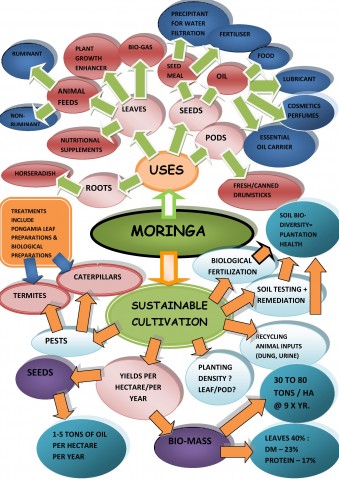
Consider the possibilities of a tree that has the following uses:
- water purification
- erosion control
- Moringa applied as a mulch stops seedling die-back
- fertiliser/green manure crop, yields up to 650 tonnes/per hectare of green manure
- foliar spray- improving plant health and growth, increasing yields of some crops 20-35%
- increased yield & quality of dairy milk
- fungicide
- insecticide
- textile printing
- sugar-cane juice clarifier (also known as the Clarifier tree)
- lubricants- high quality Ben oil used in manufacturing, is also one of the most nutritious cooking oils
- tanning
- nutrition/medicine- used to treat an incredibly diverse range of ailments and increase longevity
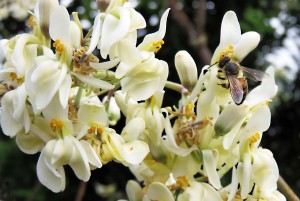
- important food source for bees.
Moringa for food and medicine
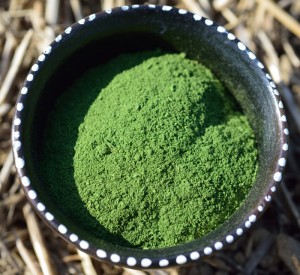
Moringa powder (dried Moringa leaf taken as a food supplement) is fast becoming recognised for its potential role in a healthy lifestyle. As more and more people find out about the health promoting effects of Moringa the demand for Moringa products will increase, perhaps exponentially in the next few years.
Moringa oil (Ben oil) is also prized for its highly nutritive compounds, long shelf life and agreeable taste.
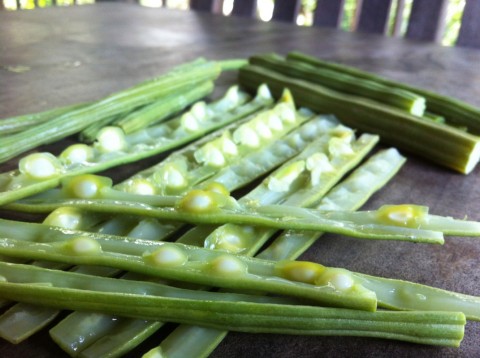
Moringa is a Growth Promoter for Crops
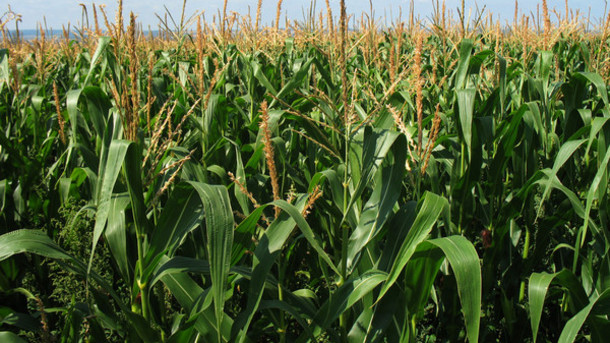
In a recent study, Prof. F. Tagwira Faculty of Agriculture and Natural Resources, Africa University, determined the potential benefit of using Moringa tissue extract as a growth hormone for some horticultural crops. Moringa shoot extract significantly increase yields of some horticultural crops. The Moringa extract acts as a growth hormone. At Sustainable Plantations we have developed a process to maximise the growth promoting properties of the Moringa tree and we produce a superlative Foliar Fertiliser we call MORINGA-BOOSTA.
Read more about MORINGA-GROW Foliar Fertiliser here.
Moringa Shoots as Green Manure
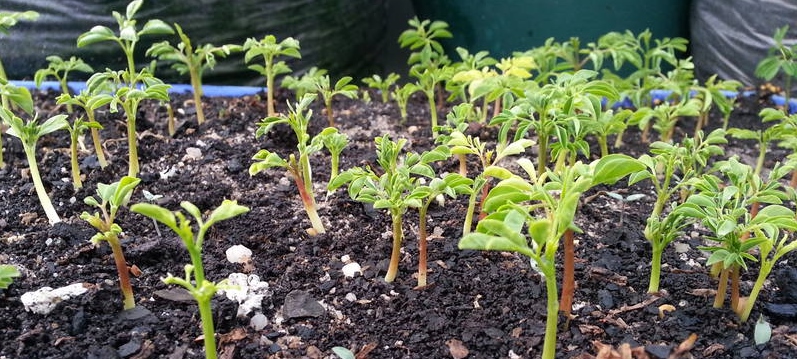
Using Moringa as a green manure can significantly enrich agricultural land. In this process, the land is first tilled. Moringa seed is then planted 1-2 cm deep at a spacing of 10×10 cm (a density of one million seed per hectare). The only limits to plant density are availability of seed, water and fertilizer. After 25 days, the seedlings are ploughed into the soil to a depth of 15 cm. The land is prepared again for the crop desired.
A recent study to investigate the manurial and organic matter enrichment potentials of Moringa and poultry droppings and their positive effects on soil pH found both to be efficient in increasing soil pH and maintaining soil fertility for sustainable production of Solanum s. Poultry droppings (15 t ha-1) or Moringa leaves (20 t ha-1) are good sources of soil organic matter and Calcium. Additionally, production of Moringa for green manure is not detrimental to the environment.
Moringa for Water Purification
Powdered seeds have been used to clarify honey and sugar cane juice as well as for water purification.
Moringa is also known as “The Clarifier Tree”.
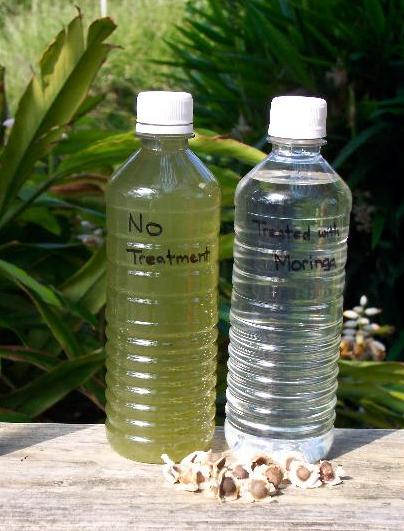
Research carried out by British scientists confirmed that the seeds of Moringa can be used in water purification. By crushing Moringa seeds an extract is produced that can be used for safe purification of water, providing a viable replacement coagulant for chemicals such as aluminium sulphate (alum) in developing countries. This residue is active as a coagulant and capable of attracting bacteria and other viruses allowing them to be skimmed off or get trapped in filter beds. The Moringa produces a positive charge, which attract the negative charges of the bacteria and other toxic particles in the water.
The seed cake remaining from water purification can be used for fertilizer and in some cases for animal forage.
Moringa for Phyto-remediation of soils.
A study completed in Nigeria in 2014 demonstrated that Moringa may be used to re mediate soils contaminated with zinc, iron and lead. The study found Moringa to be a hyper-accumulator of some heavy metals, and drastic reductions in the heavy metal contents of soil re mediated with Moringa were seen. Even more promising is the fact that the accumulation of zinc, iron and lead appears more concentrated in the roots than the shoots.